English
 Chinese (Simplified)
 Chinese (Traditional)
 Filipino
 Hindi
 Persian
 Portuguese
 Punjabi
 Russian
 Spanish
 Urdu
 Vietnamese

Malcolm Ryder
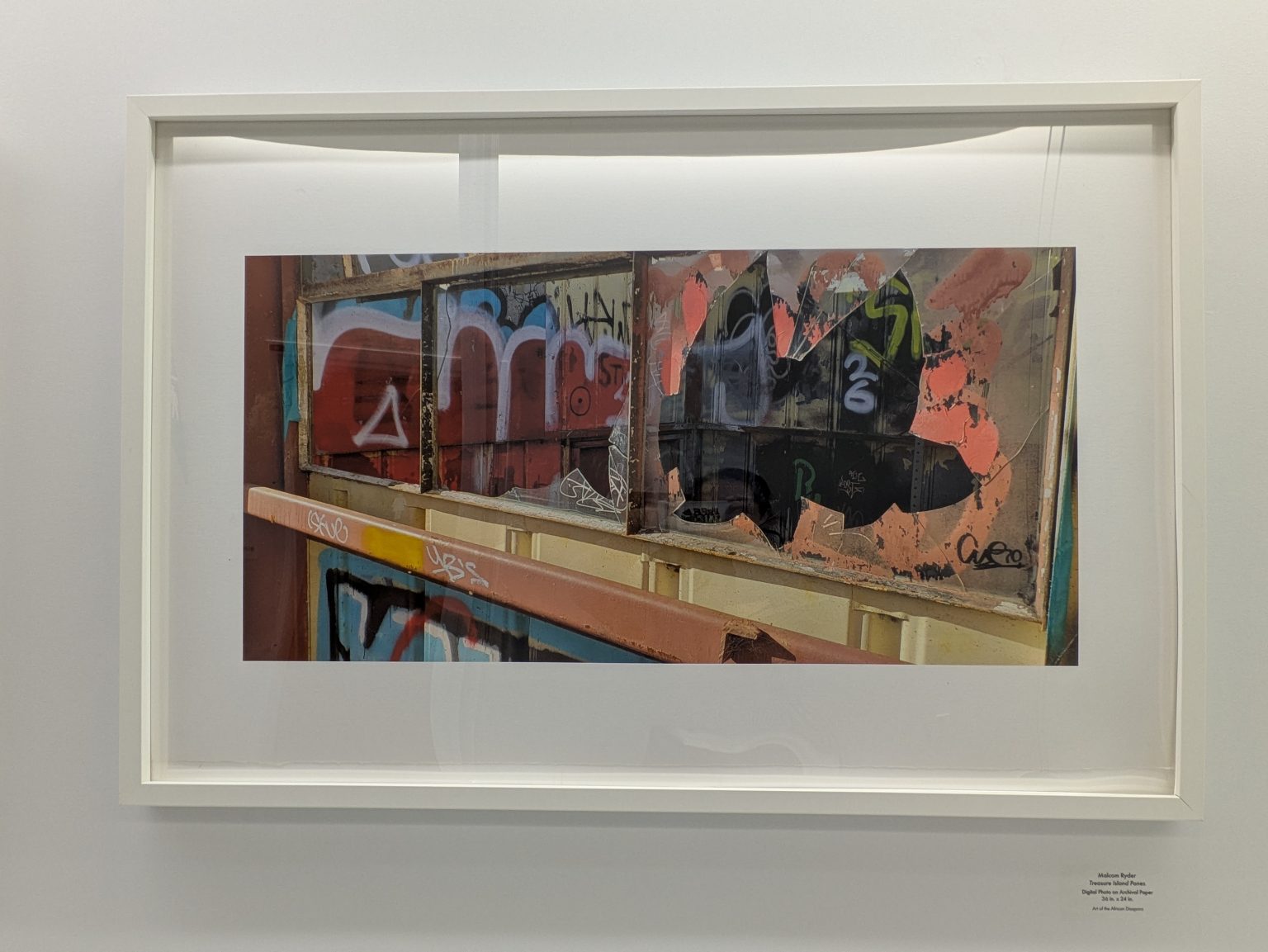
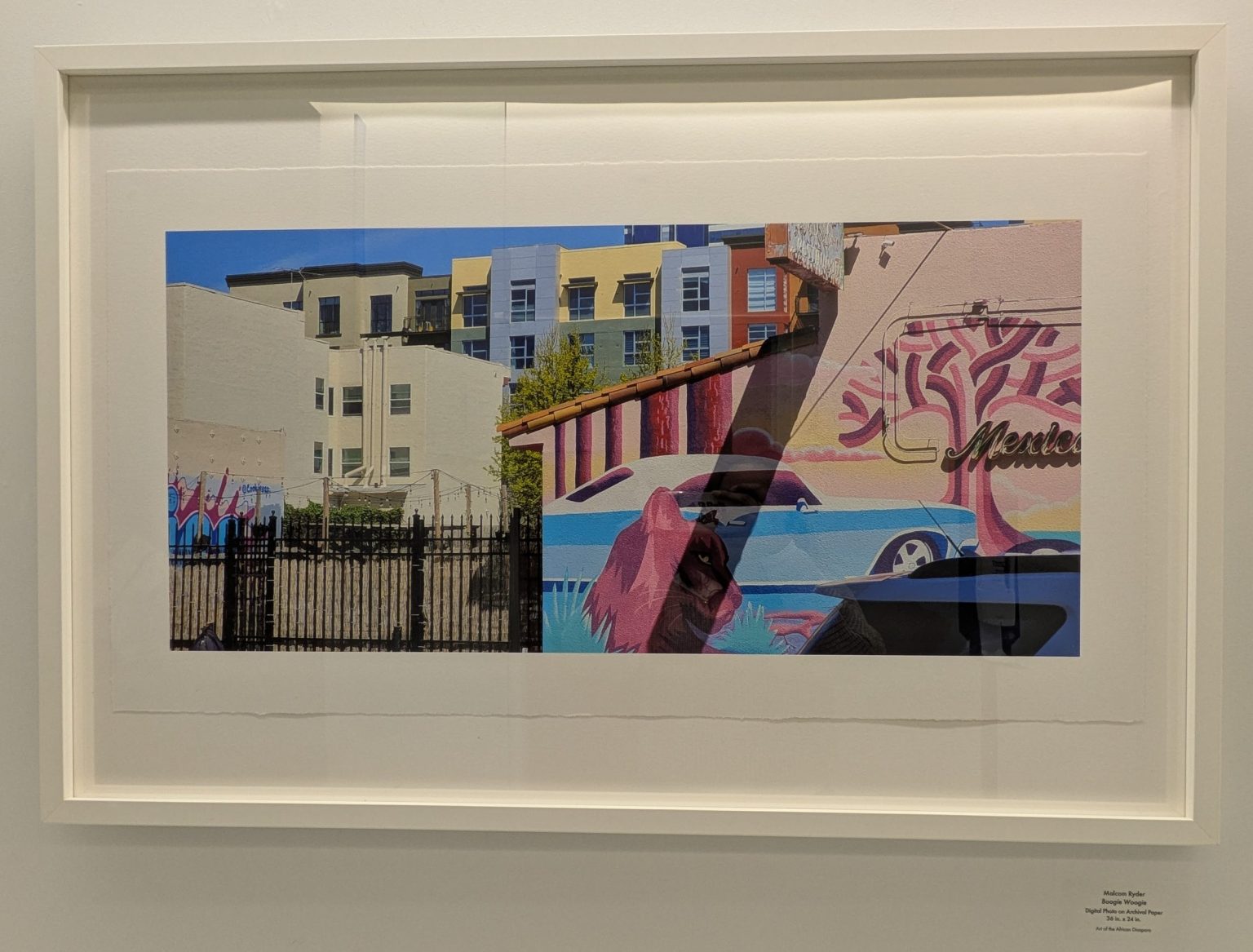
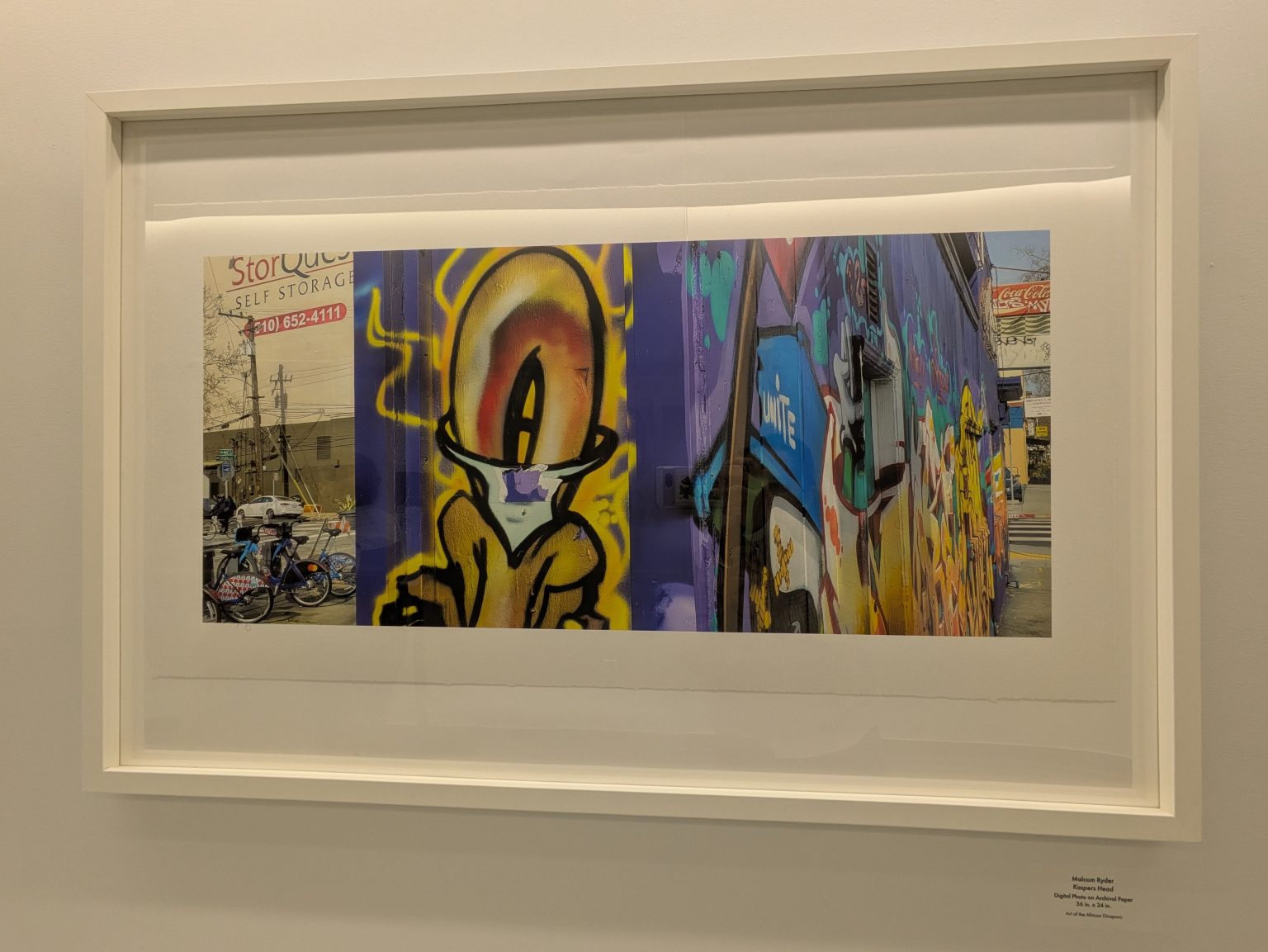
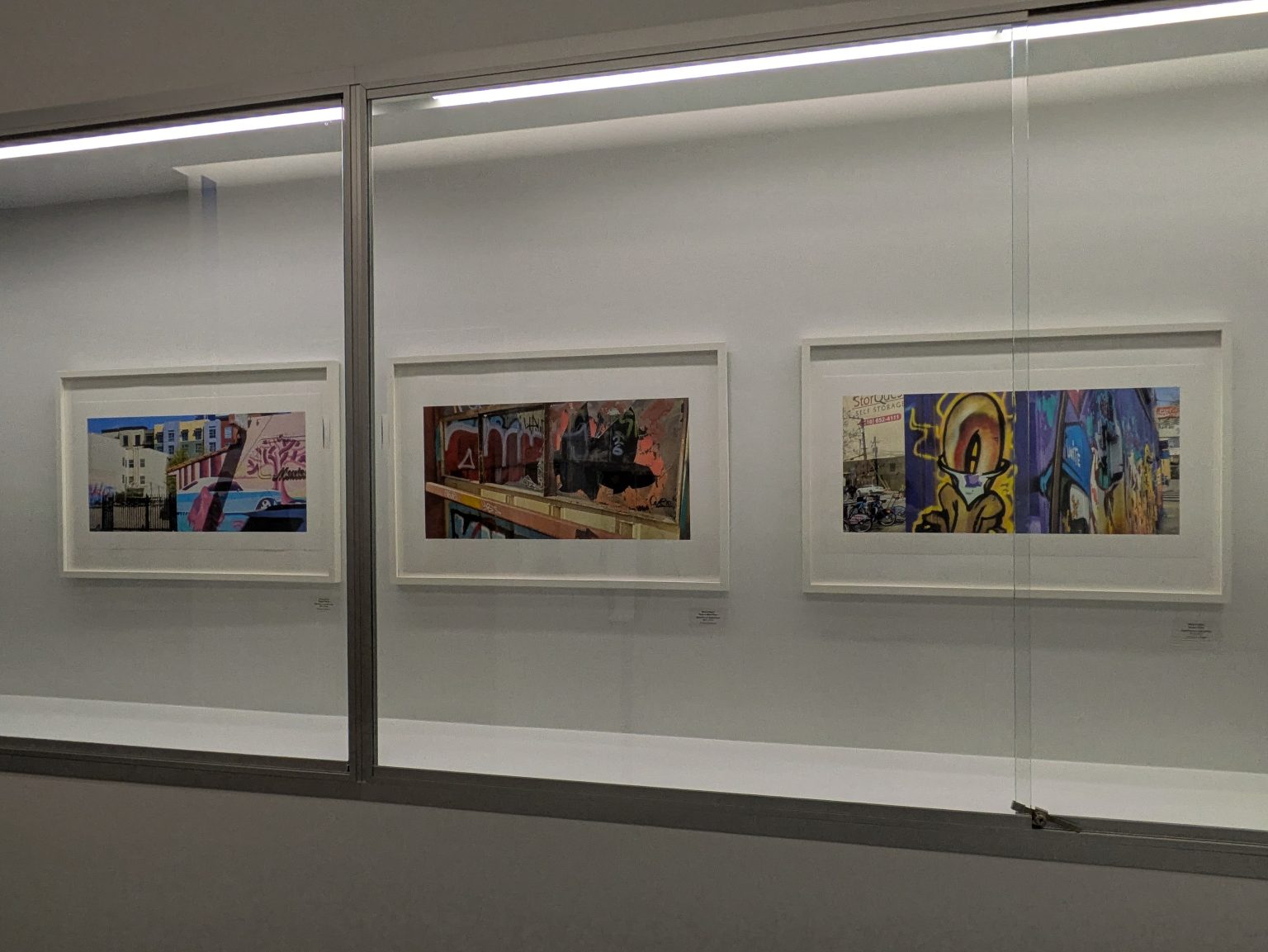
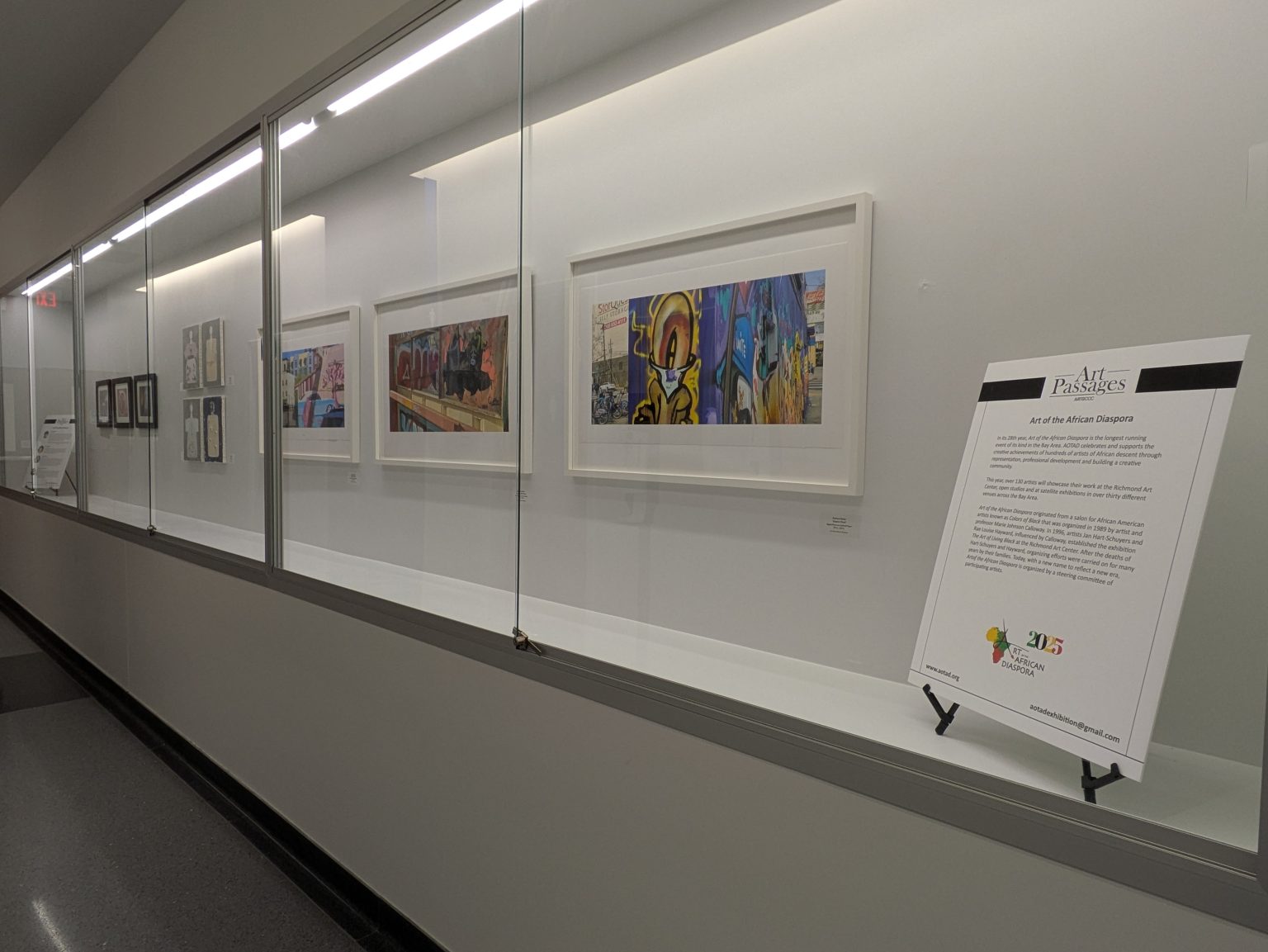
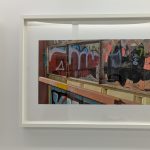
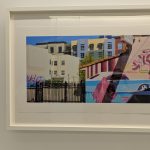
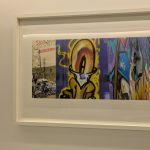
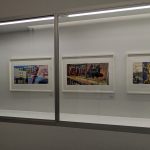
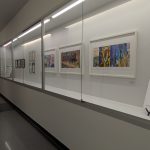
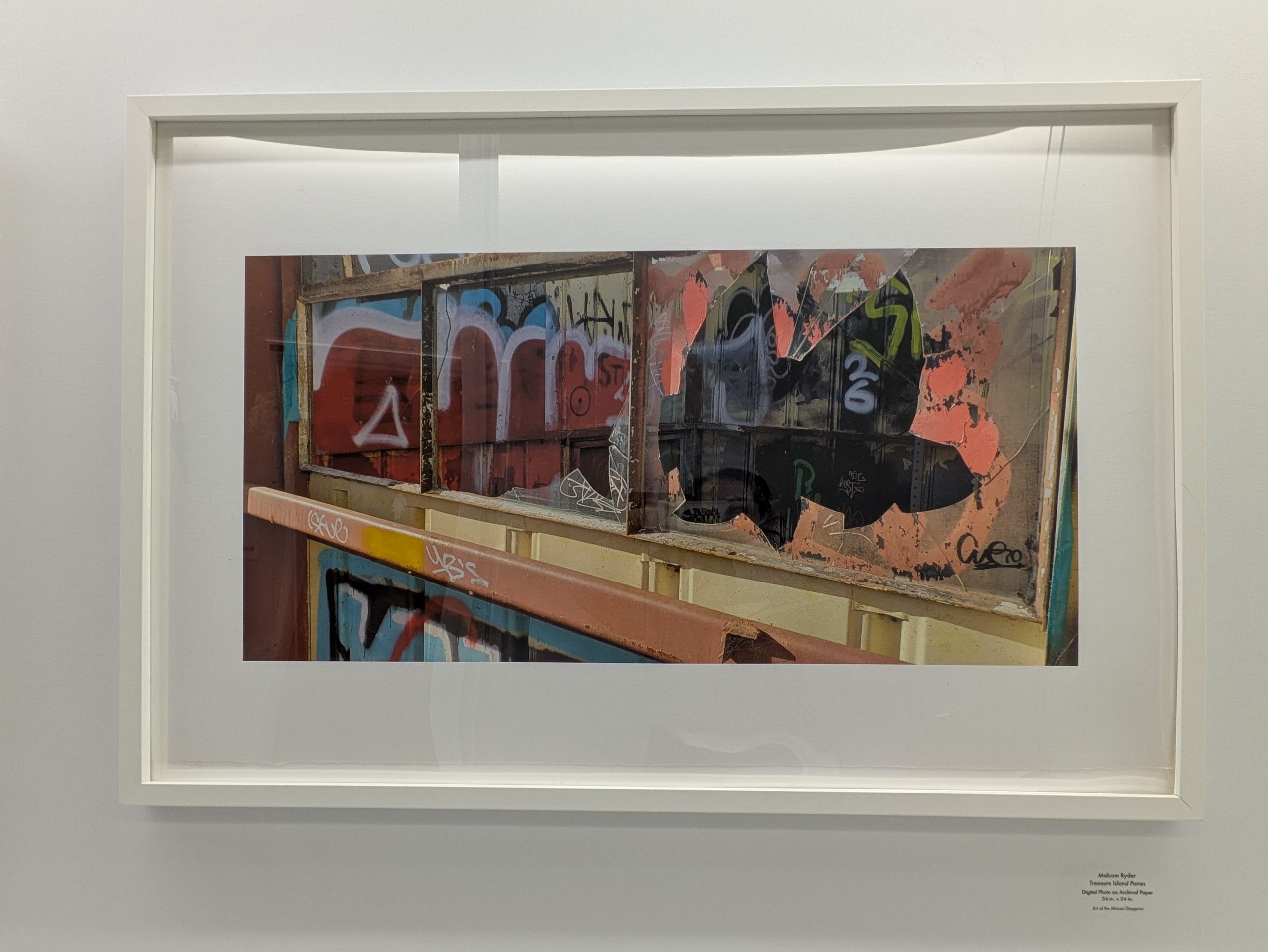
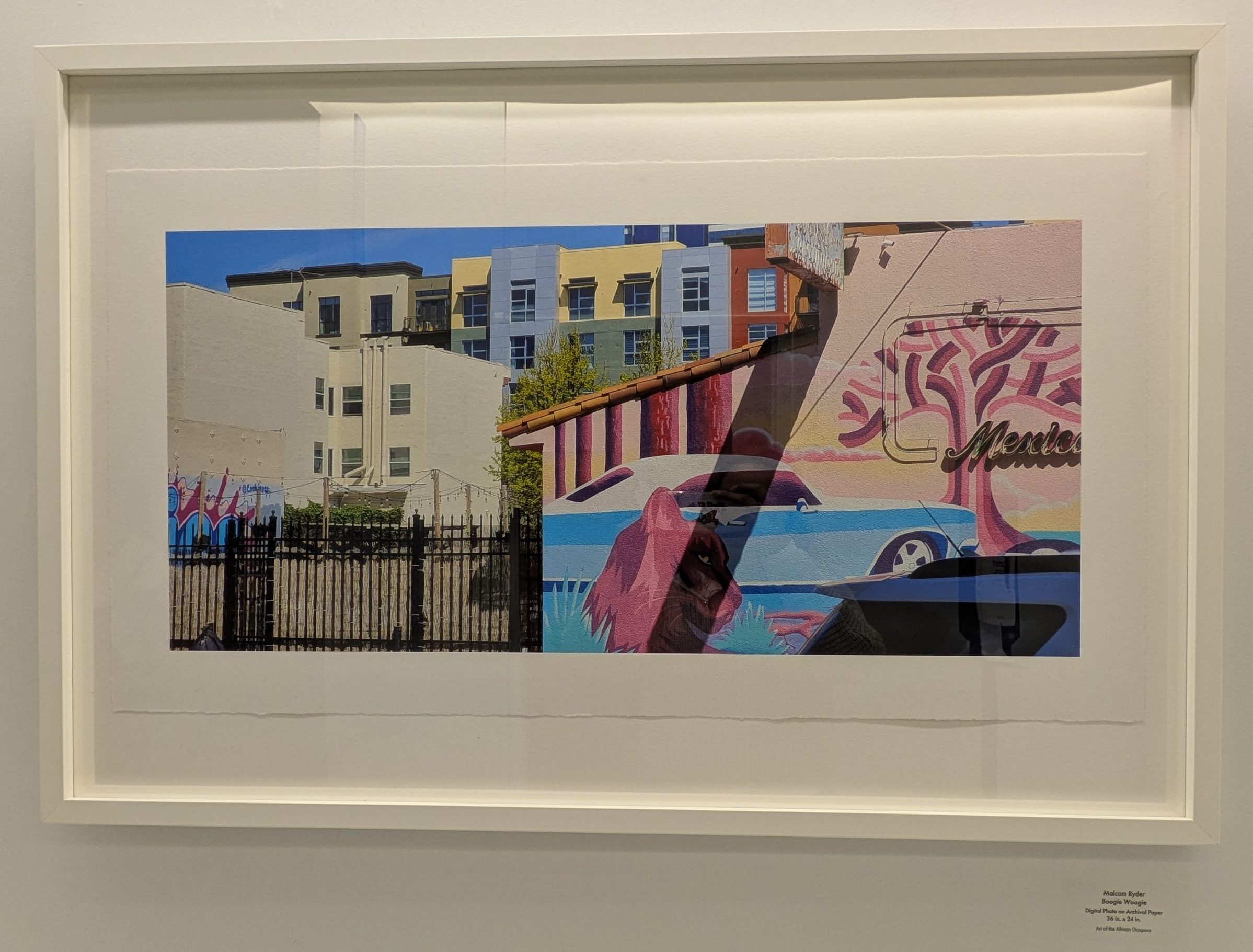
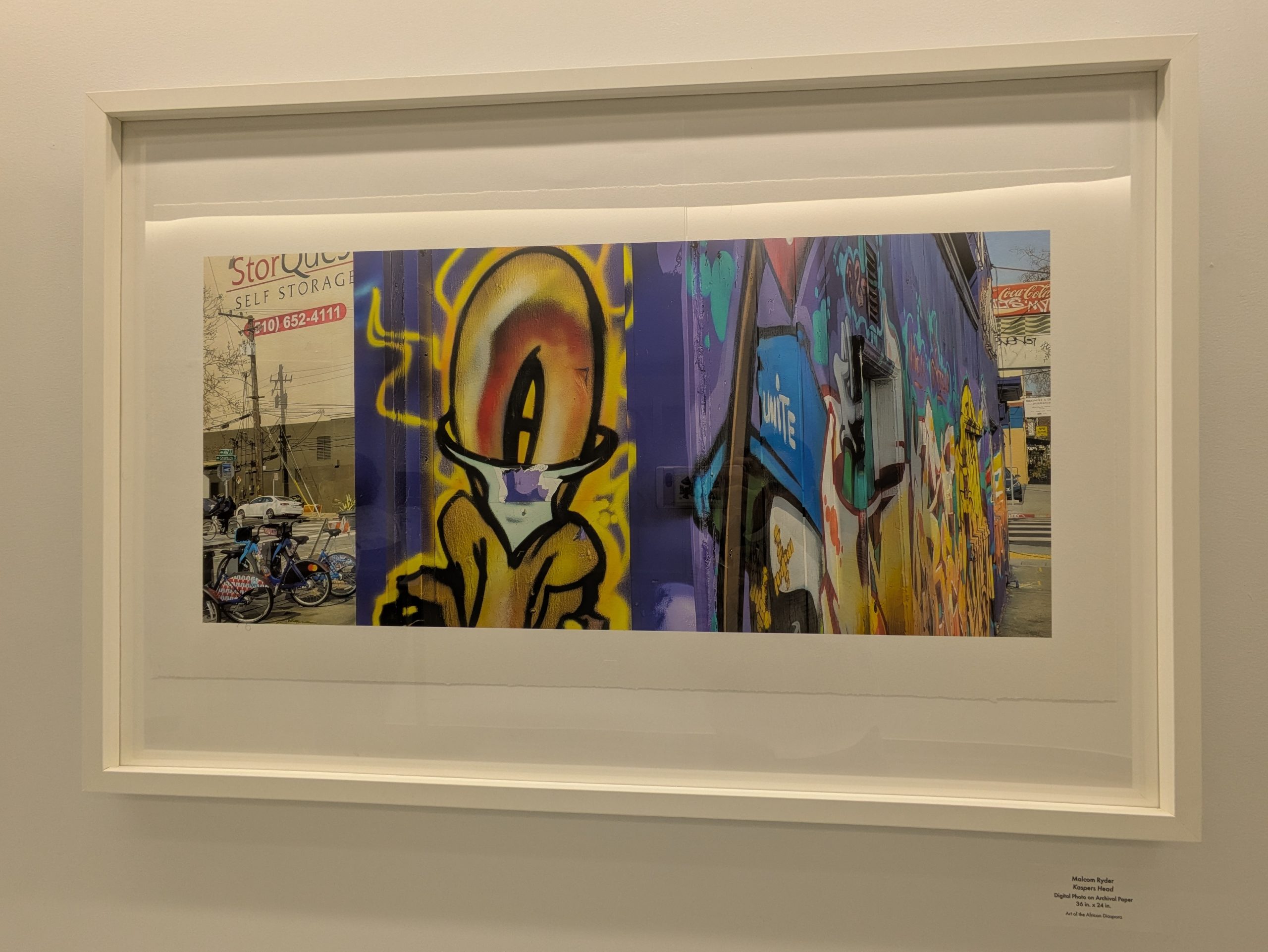
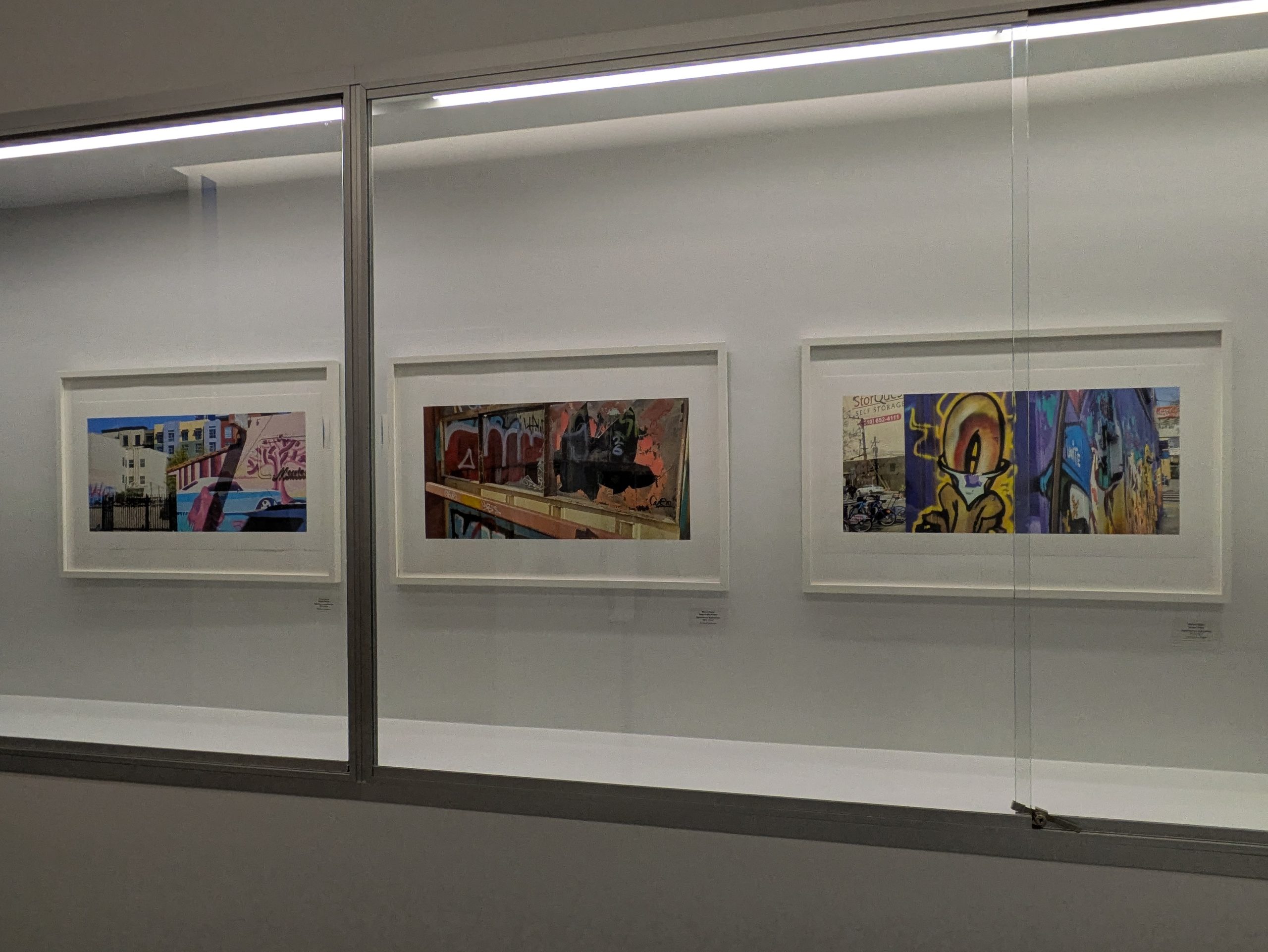
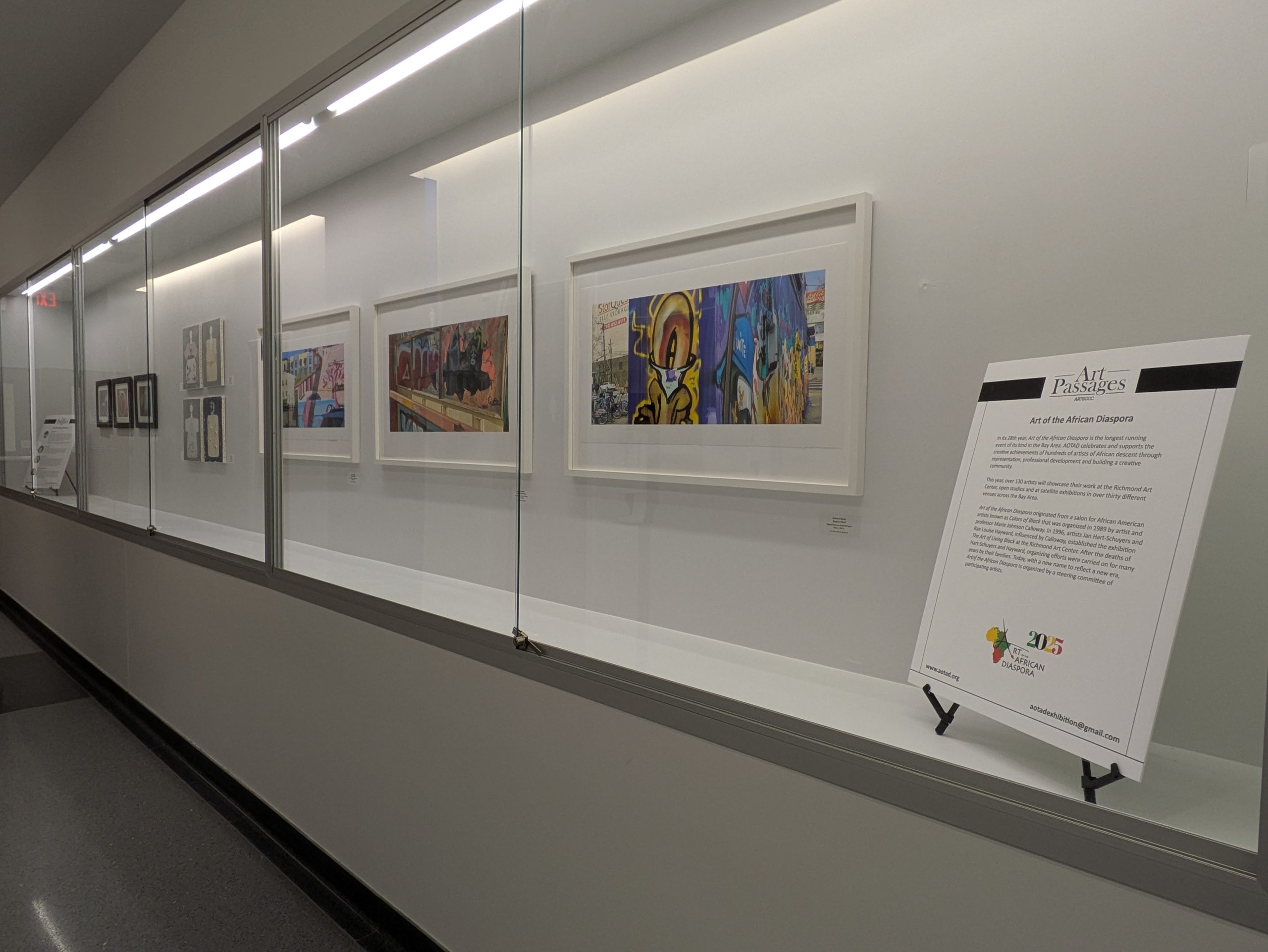
Photographer Malcolm Ryder works primarily in both urban and natural landscapes, using almost exclusively his high-end digital smartphone camera for maximum spontaneity and opportunity. His pictures are typically built with a strong emphasis on the abstract qualities of his clearly documentary images. The pictures are a sustained intensive study of how people create self-expressive environments, revealing a vernacular aesthetic that forms their landscape, which his images then approach nearly as a kind of portraiture. The content of the images overwhelmingly attends to the ephemeral, the ignored or denied, and to things or places that no longer exist as he saw them or even not at all. His landscape-as-portraiture approach intends to inject the presence of people in the pictures while in fact people rarely if ever actually appear in them. He is invested in changing how people see things, as a way of changing what they consciously see, which spans aesthetic, cultural, and political dispositions. He calls this overall practice “the Eye’s Mind”.
Source: Artist.
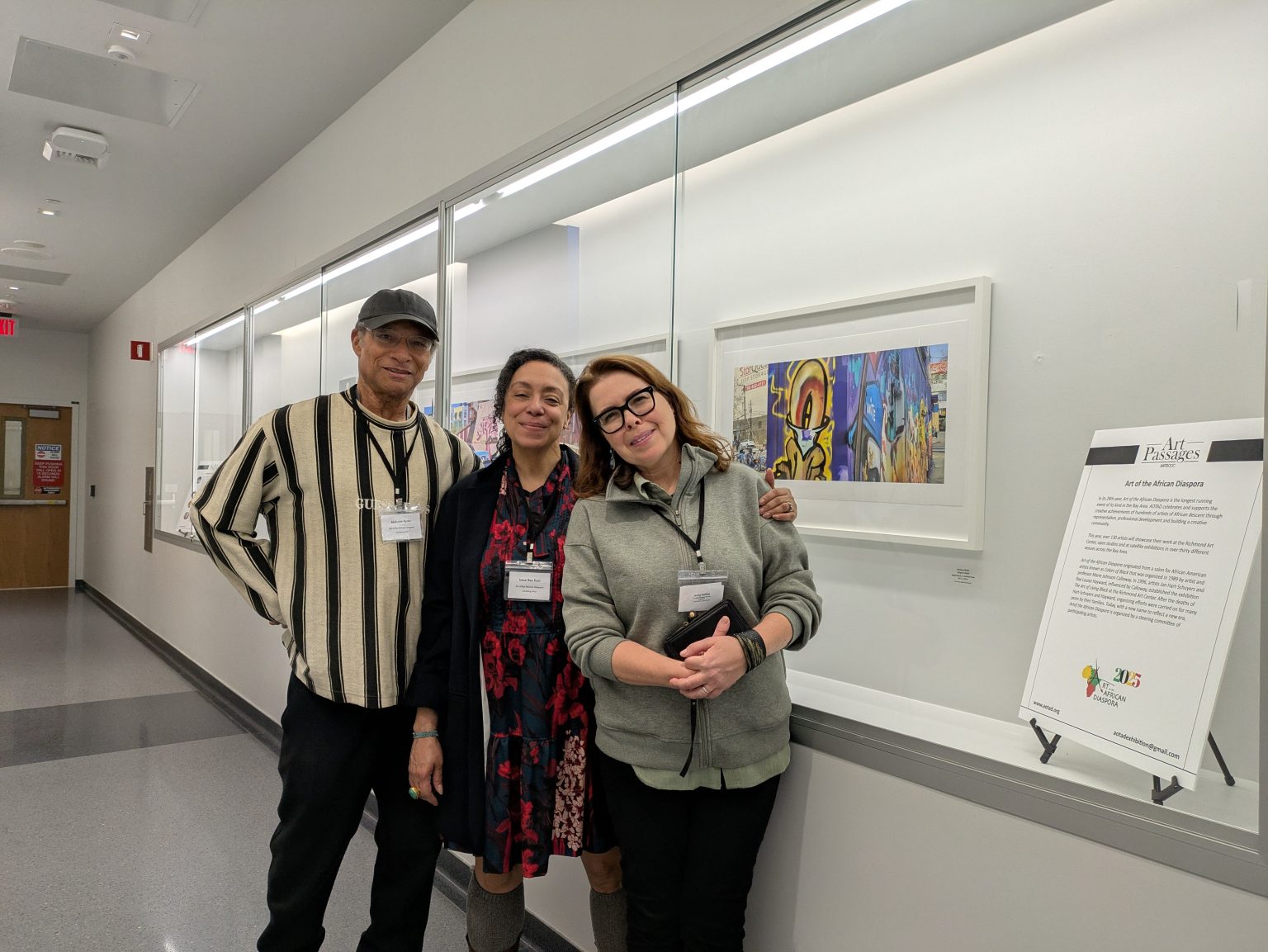
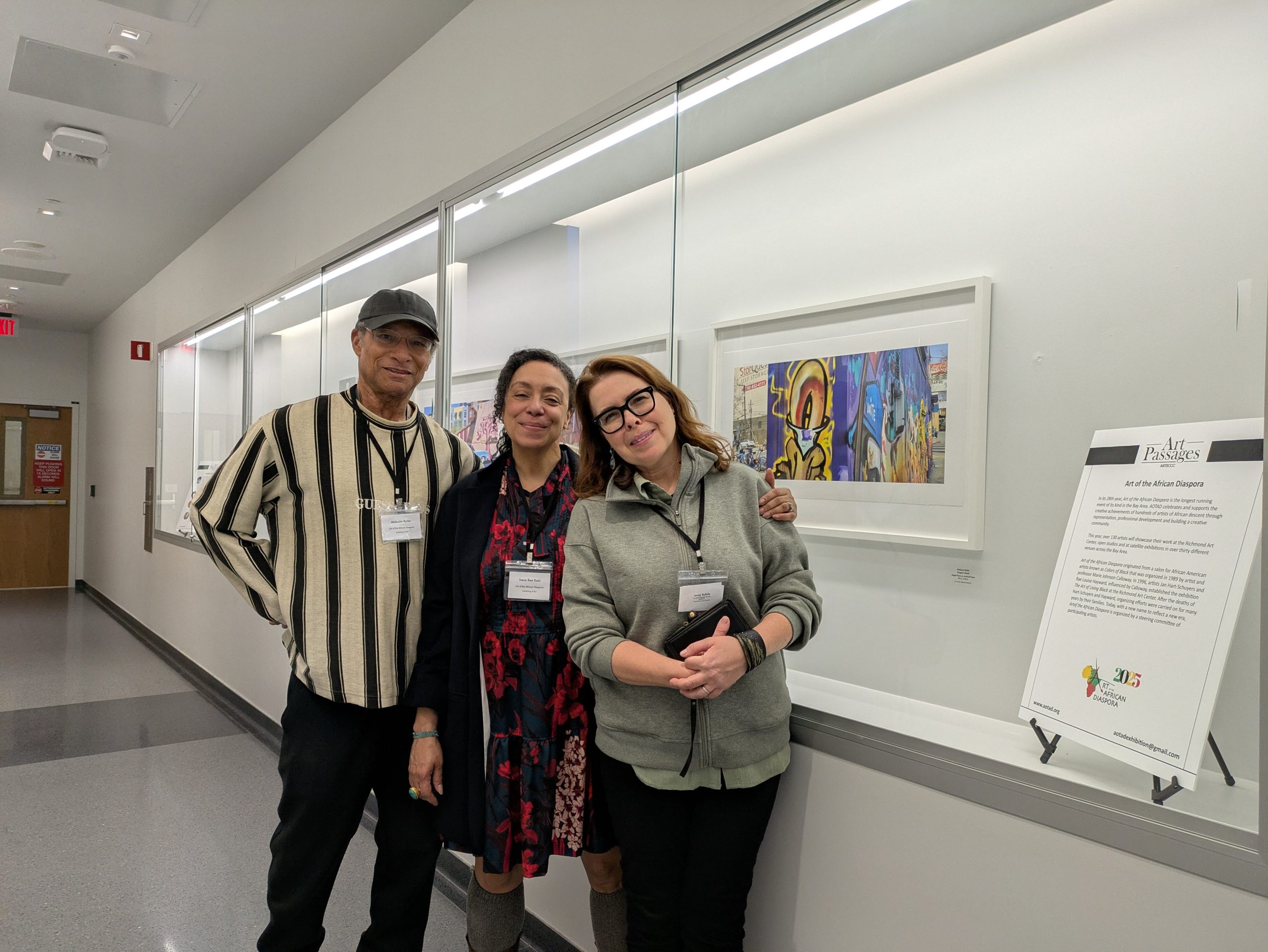
*Artist featured in 2025 Art Passages exhibition at the County Administration Building in Martinez, California.