English
 Chinese (Simplified)
 Chinese (Traditional)
 Filipino
 Hindi
 Persian
 Portuguese
 Punjabi
 Russian
 Spanish
 Urdu
 Vietnamese
Moonji Pickering
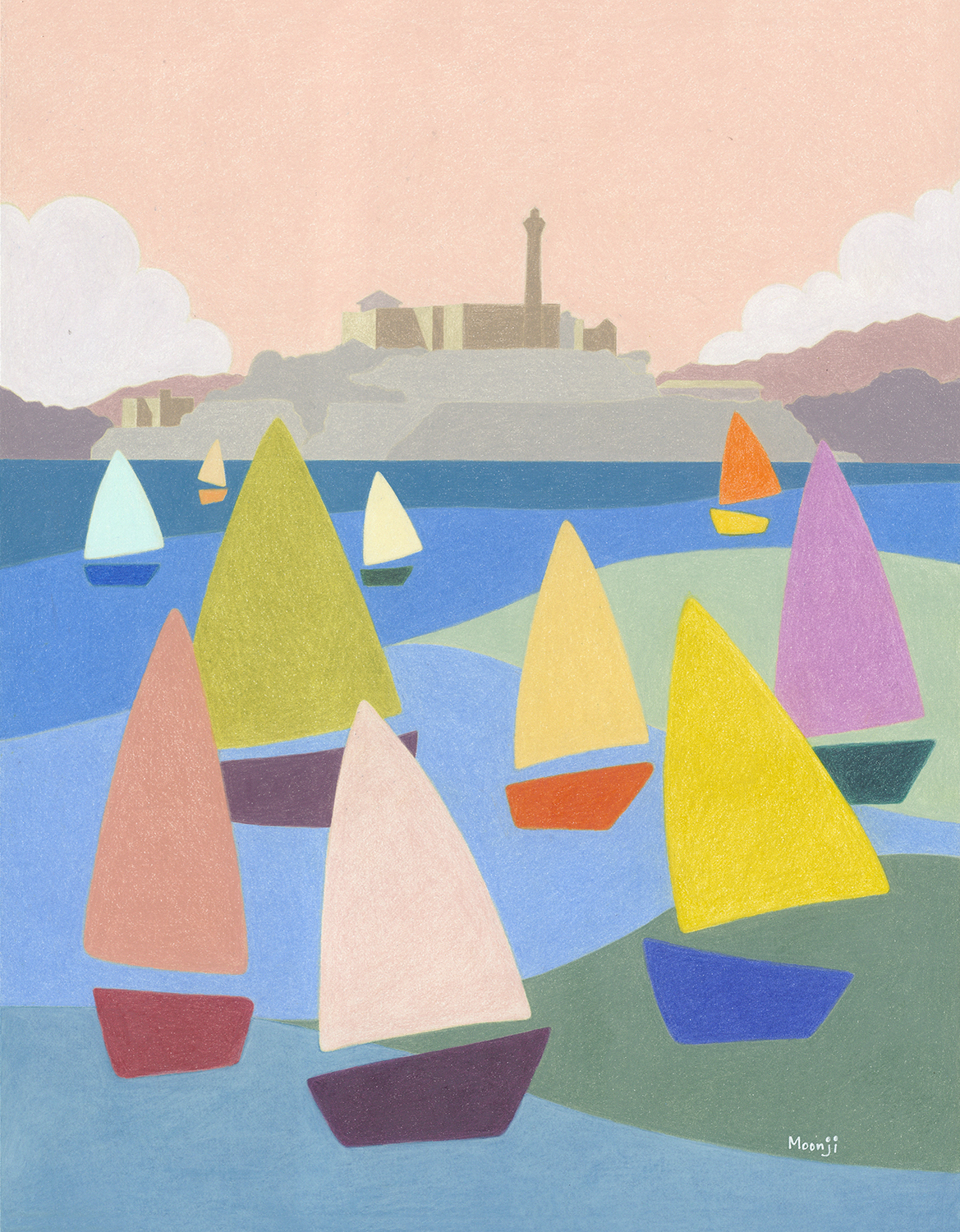
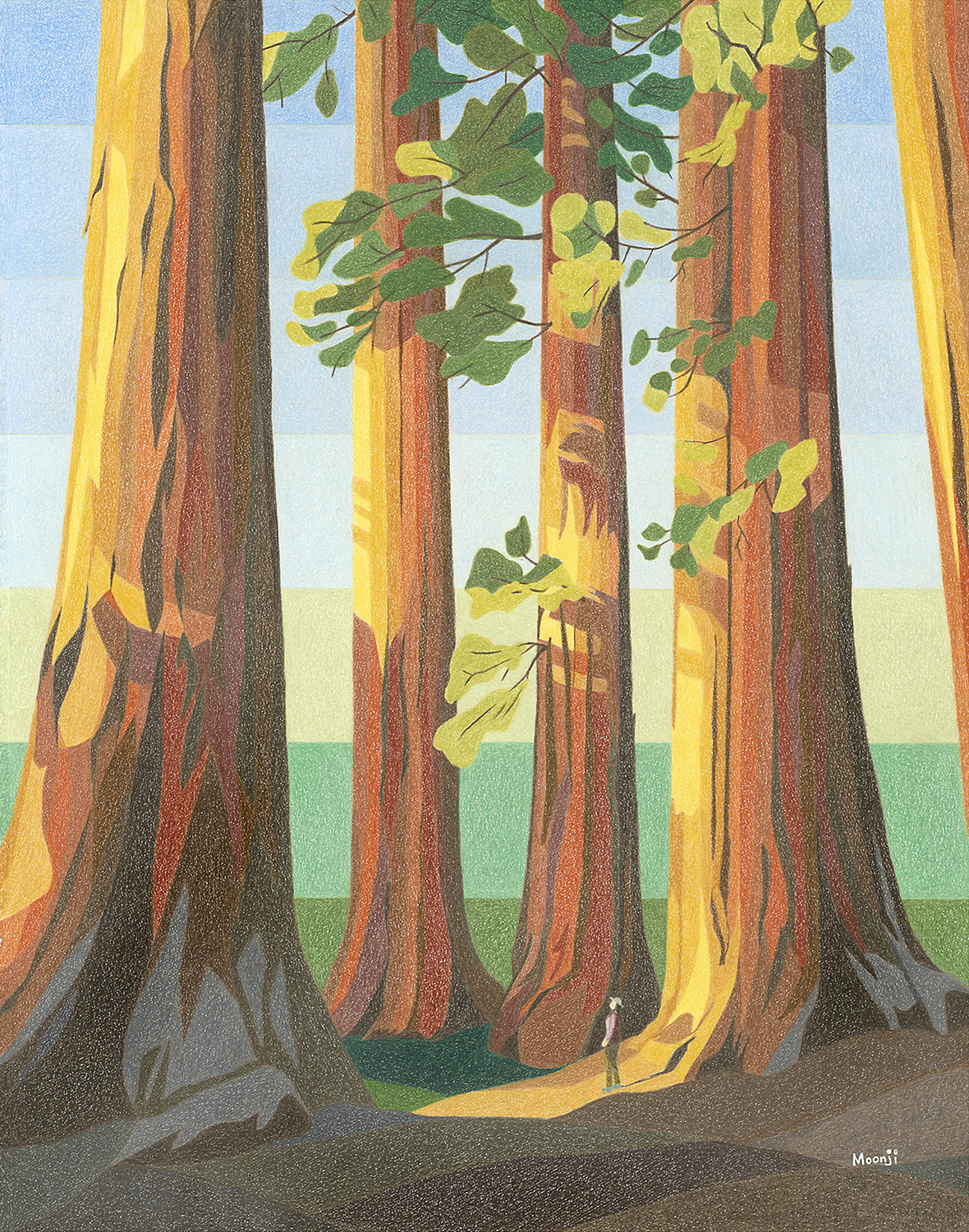
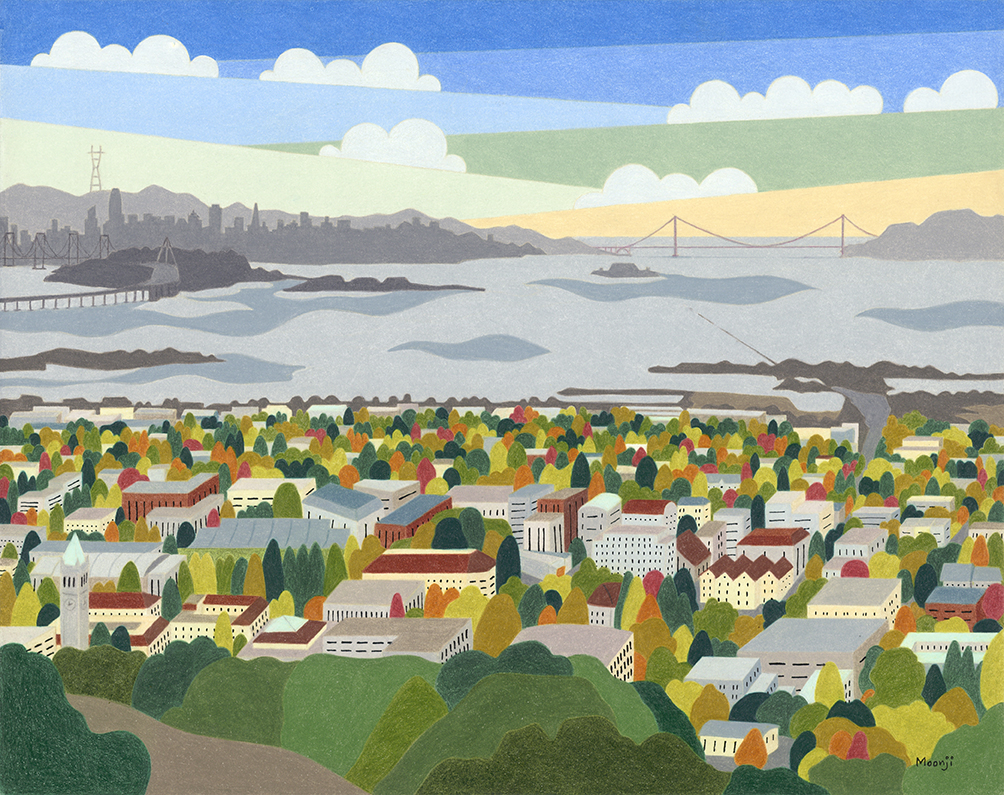
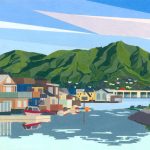
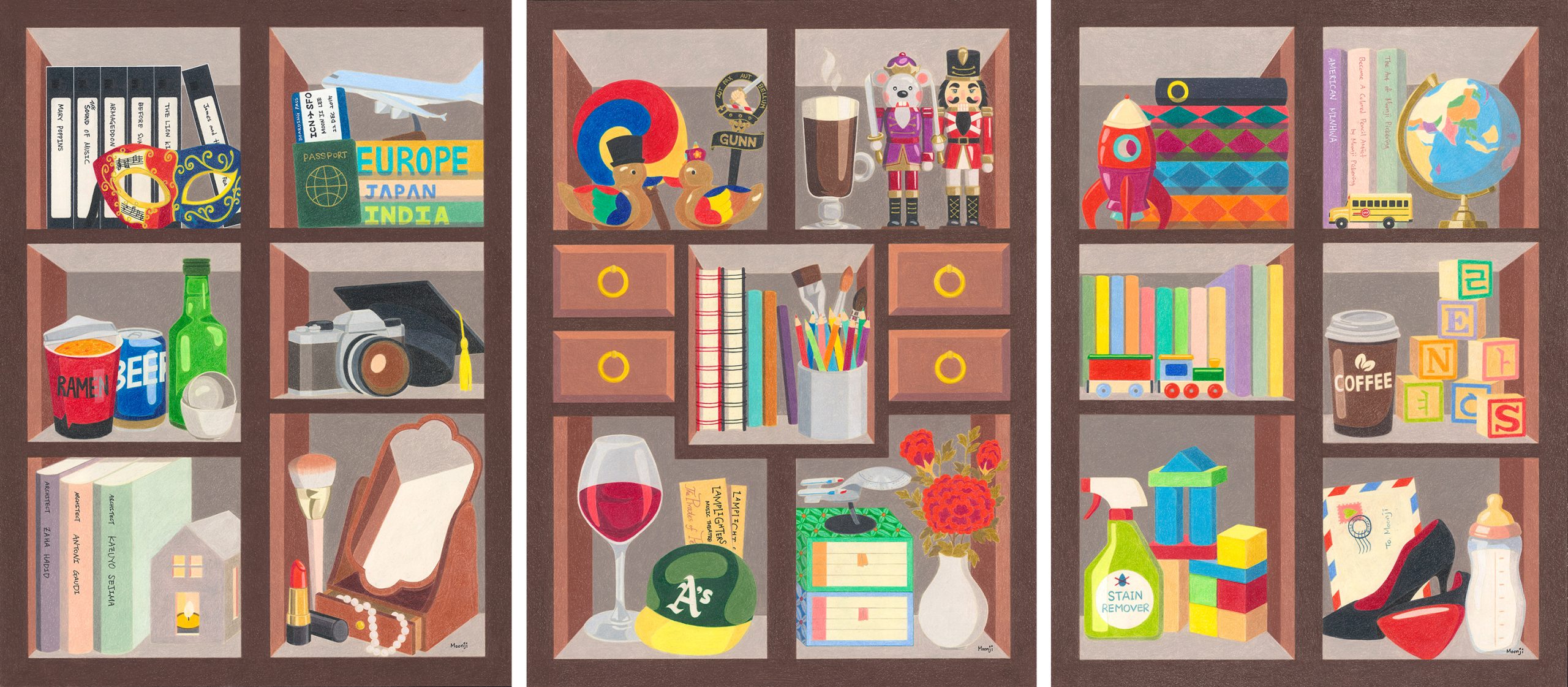
Moonji is a Korean-born artist who moved to the San Francisco Bay Area in 2016. Growing up in the fast-paced metropolis of Seoul, South Korea, she found that slowing down to appreciate California’s diverse landscapes became the foundation of her art. Holding a Bachelor’s degree in Architecture Design, she brought a keen eye for structure and detail to her signature medium, colored pencils.
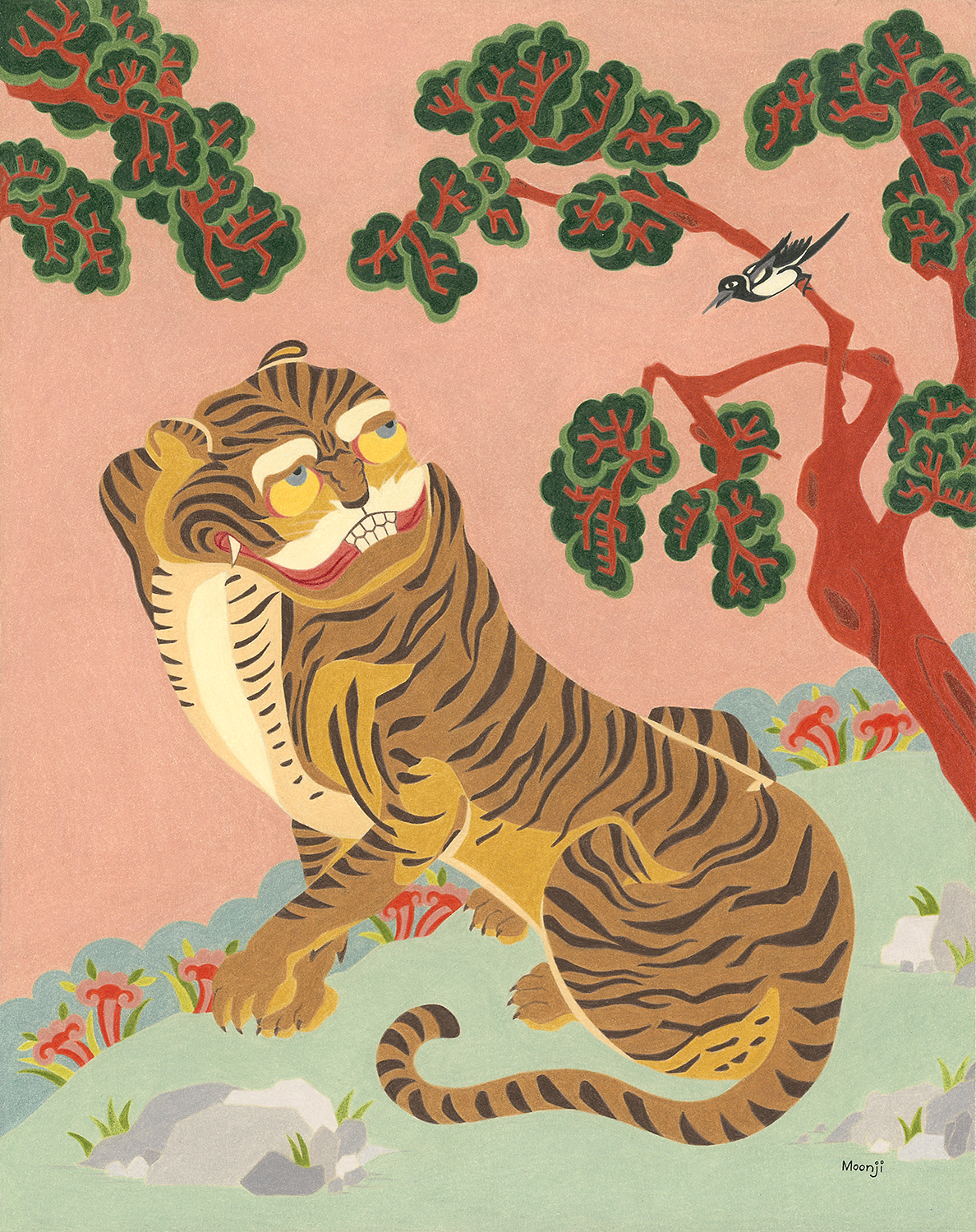
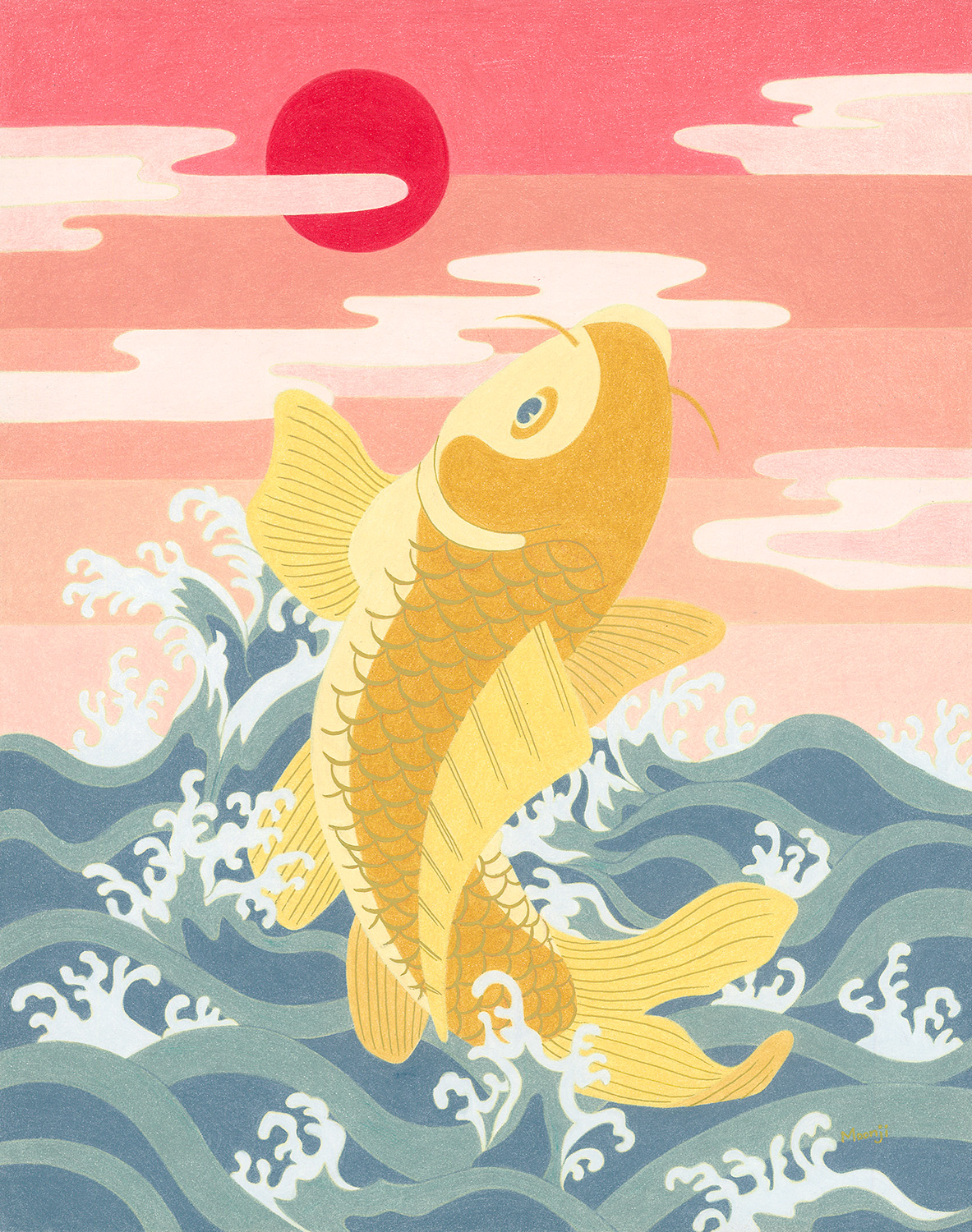
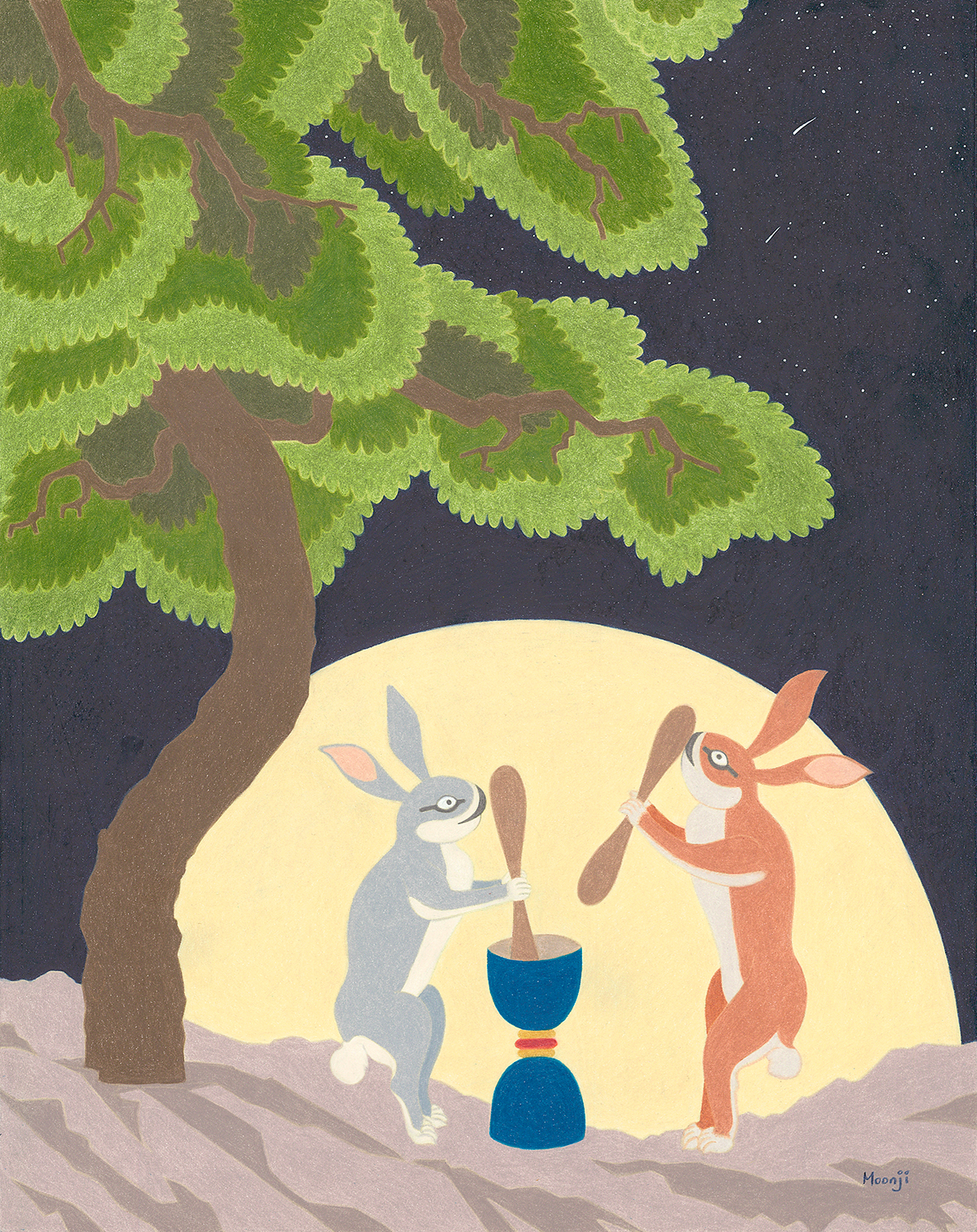
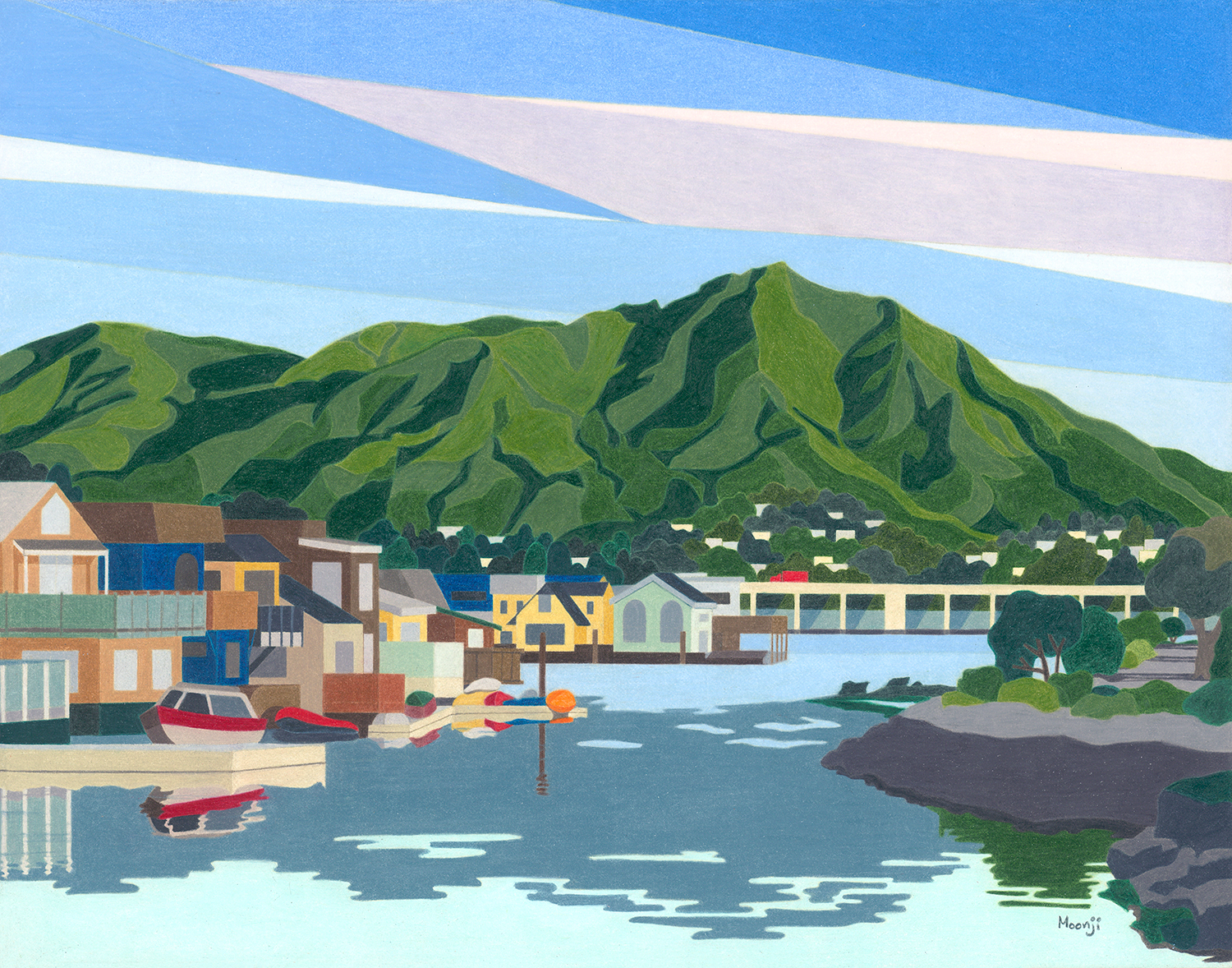
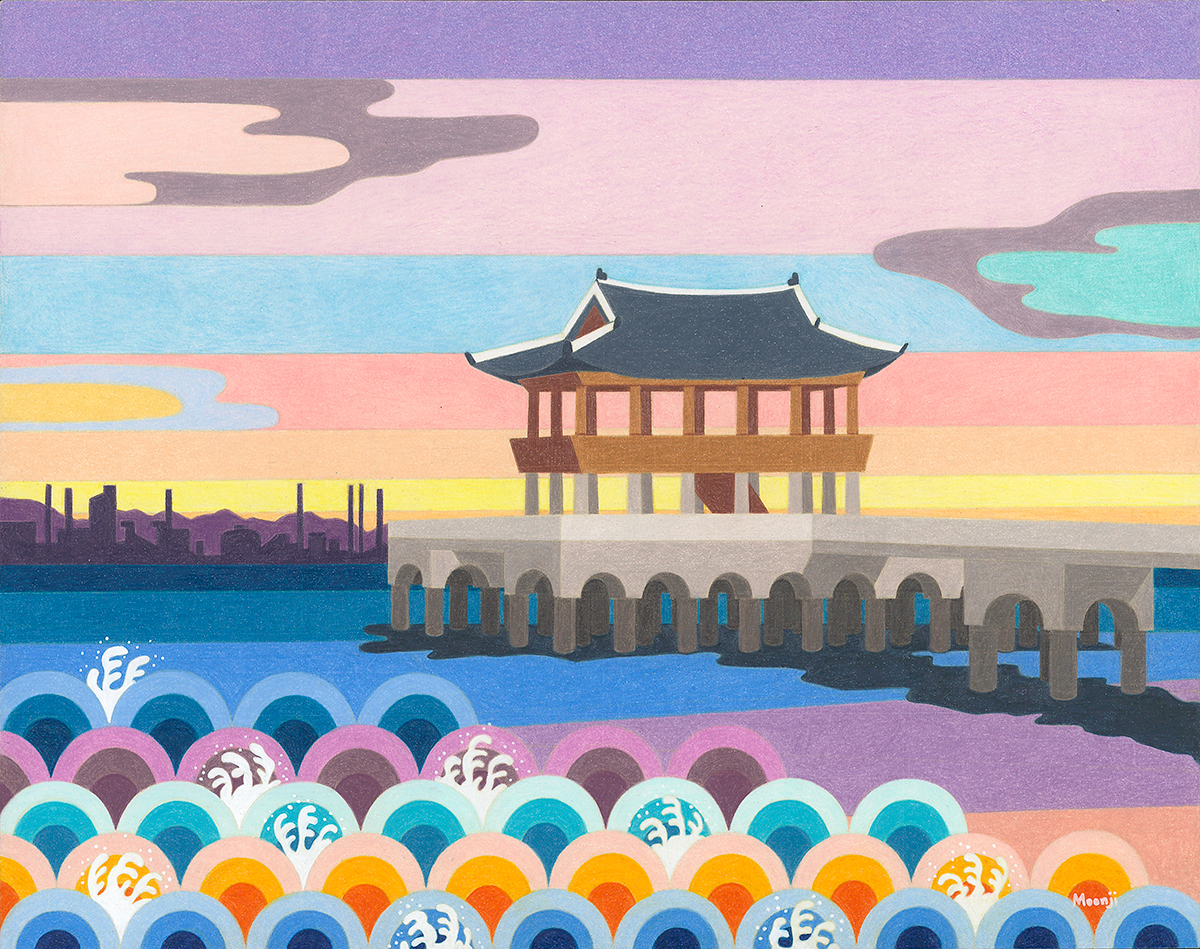
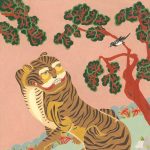
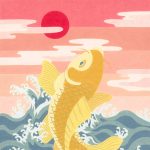
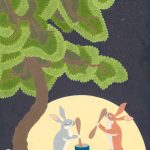
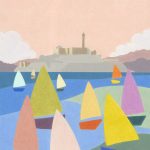
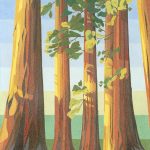
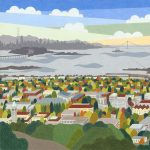
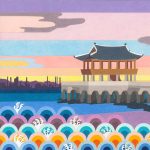
Her work weaves together two worlds, the vibrant beauty of California and her Korean heritage, including traditional Korean folk art. The outcome of this fusion is a body of work that is entirely her own.
Her career has flourished across the Bay Area and beyond, with juried exhibitions at the De Young Museum and The Huntington Library and Art Museum. Along the way, she has earned multiple awards, including recognition at the Marin County Fair and the Marin Society of Arts. She continues to pursue solo exhibitions and looks forward to many more to come.
In 2025, Moonji began sharing her passion by offering colored pencil workshops and classes at local galleries and community centers, as well as in her role as a Teaching Artist at the Richmond Art Center.
Resume (PDF)
Artist Statement
Please provide a brief description of your creative process, motivations, and inspirations:
I am a Korean colored pencil artist residing in the SF Bay Area. I did not think of myself as Korean until I left Korea. In a country where nearly everyone shares the same heritage, I never spent much time thinking about what Korean culture meant to me. It was only after immigrating to California that I began to see the way Americans hold their roots close, name them, celebrate them, and pass them on.
Surrounded by that cultural attentiveness, I started looking back and found Minhwa: traditional Korean folk painting filled with symbols of health, happiness, and protection. It was a visual language I had lived inside without ever knowing I could speak. The paintings made by my ancestors gave me a glimpse into their lives and their wishes, things we all still wish for today.
Yet the more I sought my Korean roots, the more confused I became. I felt neither Korean enough nor American enough. It was only by shifting my gaze from the past to my present surroundings that I found a new point of connection, not in what I had lost, but in what I was becoming. As an Americanized Korean, I am no longer afraid of that in-between place. Through my practice, I am creating “American Minhwa”: Korean-American folk art built from the tension and beauty of carrying two cultures at once.